

The thawing of permafrost is turning Arctic rivers into toxic waters. Atlantic sargassum may become predictable. And two white dwarfs are devouring each other in an orbit of just 8.5 minutes.
In this edition: Permafrost releases heavy metals into hundreds of Arctic rivers, according to Science. Sargassum blooms show predictable patterns that could be used for carbon capture. A team at MIT documents the most compact known binary white dwarf system.
Permafrost poisons hundreds of Arctic rivers
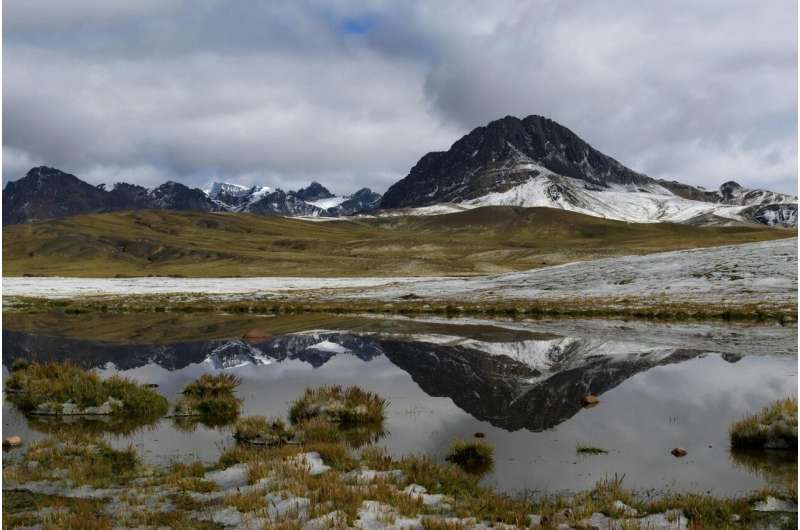
Permafrost thaw exposes sulfur-bearing minerals to oxygen and water. The chemical reaction releases acidity and heavy metals. Among them: zinc, nickel, cadmium, and aluminum. The process is similar to acid mine drainage. The finding is published in the journal Science.
A hard string to stop
The phenomenon already affects hundreds of waterways in the Arctic. Once-clean rivers are becoming acidic and toxic to aquatic life. Global warming accelerates the process. Once it begins, it is very difficult to reverse. It is a direct warning sign about the effects of climate change on polar ecosystems.
📎 Read the full article on Phys.org
Atlantic sargassum could be predictable
Every year, enormous masses of sargassum inundate beaches in the Caribbean, the Gulf of Mexico, and the coasts of West Africa. They disrupt fisheries, damage tourism, and release toxic gases as they decompose. Cleanup costs reach hundreds of millions of dollars annually. It is a socio-ecological crisis affecting regions on both sides of the Atlantic.

From Threat to Resource: Carbon and Biofuels
A new study suggests that these sargassum blooms are predictable. Identifying their patterns allows for anticipating arrivals and better managing the crisis. Additionally, researchers are exploring its use for carbon capture and biofuel production. What is currently a problem could become part of the climate solution.
📎 Read the full article on Phys.org
A white dwarf devours its companion in 8.5 minutes
A team led by Emma Chickles at MIT has observed an extraordinary binary system. Two white dwarfs orbit each other every 8.5 minutes. One is actively consuming material from the other. It is one of the most clearly documented ultracompact systems to date. The study is published in The Astrophysical Journal.

A key objective for gravitational wave detectors
This system is a fascinating target for the next generation of gravitational wave detectors. Understanding how white dwarfs exchange mass in such extreme orbits opens new windows to the universe. Researchers consider it a unique natural laboratory. It could reveal physics we haven't been able to observe before.
📎 Read the full article on Phys.org
What's coming next week?
The Arctic permafrost pollution will remain a central issue as the Arctic warms. We will also closely follow developments in sargassum prediction and its implications for the Caribbean. Stay up-to-date with Canal Meteo TV: every week we translate planet science for you.
For more official weather information, consult the National Weather Service (NWS) hello National Oceanic and Atmospheric Administration.
Explore more articles at Meteo TV Channel.