

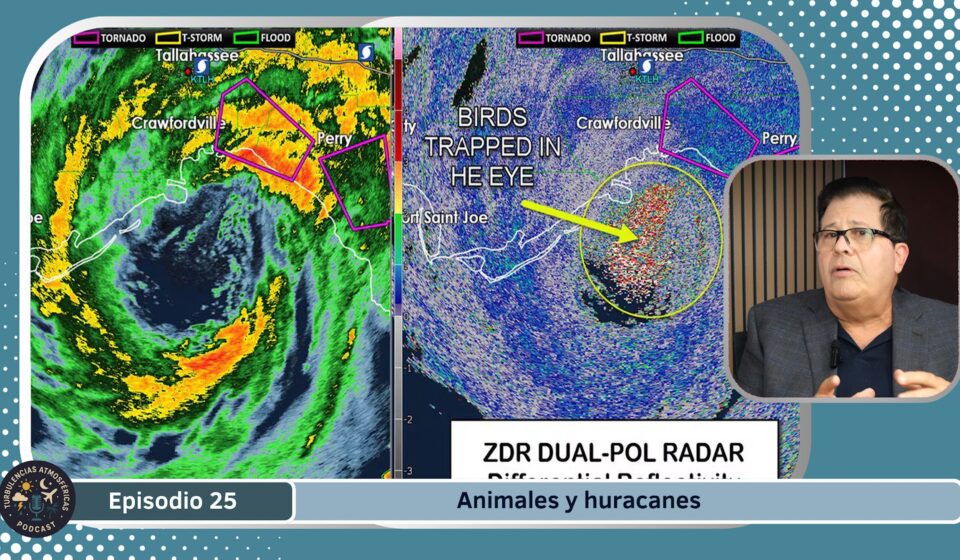

The ocean in front of a hurricane
A hurricane doesn't just hit the coast. It also transforms the ocean. It changes the temperature. It moves species. It breaks corals. It brings nutrients. It restores life. And destroys. It all happens at the same time. It all happens so fast.
Important points
In addition, when the wind increases, the sea surface mixes with deep water. This combination cools the ocean by several degrees. The drop modifies the behavior of fish, turtles and corals. The impact is immediate. And it is also profound.
On the other hand, the hurricane displaces sediments. It changes beaches. Erosion of nesting areas. Affects mangroves and seagrass beds. Sometimes it damages everything. At other times it cleans and renews entire lagoons. The sea takes on a new shape and the ecosystem is reorganized.
Corals feel it strongly. The waves break entire colonies. They fragment them. They tear them apart. The hurricane's energy is pure brute force underwater. Still, an opportunity arises. Cold water reduces thermal stress. It prevents bleaching. And it offers respite when the heat pushes them over the edge.
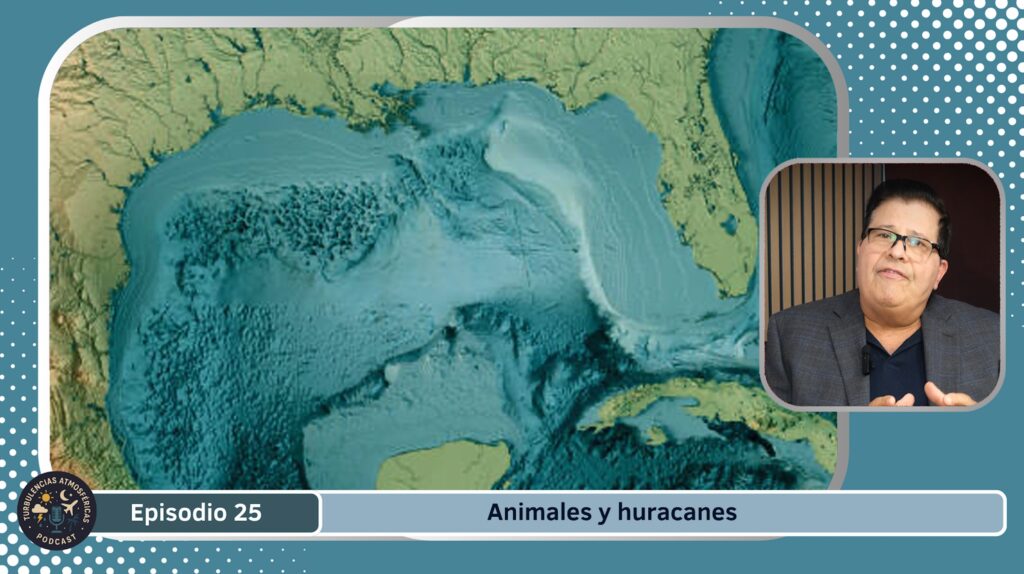
After a hurricane comes a change visible from space. Ocean mixing raises nutrients. Phytoplankton grow. Green spots appear on satellite images. Productivity increases. The sea breathes. Life rises from the bottom.
Sharks and storm imminence
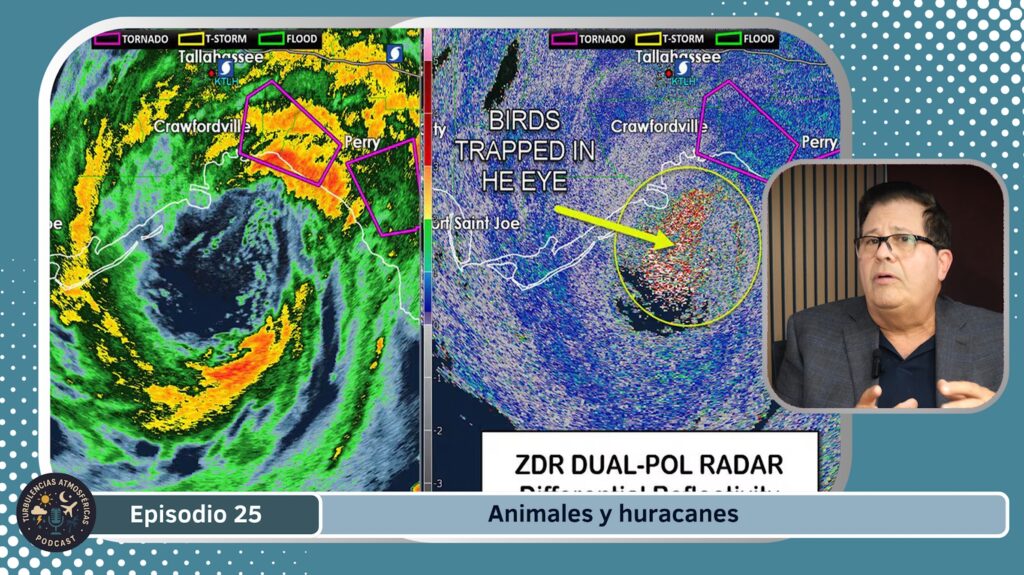
Some species do not wait for impact. They get ahead of it. They detect the pressure drop. They flee before the storm hits. The shark is a good example. It is fast. Very accurate. Extremely sensitive. It senses change before we do. It goes down to deep water. It leaves the zone. Seeks immediate safety.
In 2017, before Irma, something clear happened. Several tiger, hammerhead and bull sharks moved offshore more than half a day before impact. Some went down to 200 meters. They acted on instinct. Also out of survival. And because their bodies understand the ocean better than any human.
When the hurricane passes, they return. However, they don't come back the same. The food changed. The prey moved. The landscape is no longer the same. For weeks they adjust their routes. The sea imposes new rules. And they adapt again.
Florida is a key point. Warm waters. Natural channels. Protected bays. More than 30 species of sharks live there. The Gulf and the Atlantic create a living corridor. It is a natural laboratory. Many universities study it. NOAA too. OCEARCH follows its movements. Every day we learn something new.
Global warming and marine ecosystems
Climate change complicates everything. The sea is warming. It loses oxygen. It acidifies. The equilibrium breaks down. Corals become stressed. They expel their algae. They bleach. They die. Since 1980, major bleaching events have multiplied. Three times more. The rhythm is brutal.
The Great Barrier Reef is the clearest example. More than two thousand kilometers of reefs. Half lost in three decades. Extreme heat. Massive events. Entire ecosystems on the edge.
The Caribbean is not spared either. Mexico. Belize. Cuba. Florida. They all suffer. The summers of 2023 and 2024 were critical. Seas rose above 32°C. Many reefs were devastated.
But there is hope. There is restoration. There are underwater nurseries. There are coral fragments ready for replanting. Oceanus in Mexico. Mission: Iconic Reefs in Florida. Big projects in Australia. Underwater robots and drones. Entire teams dedicated to recovering the sea. Science moves forward. Nature responds when we let it.
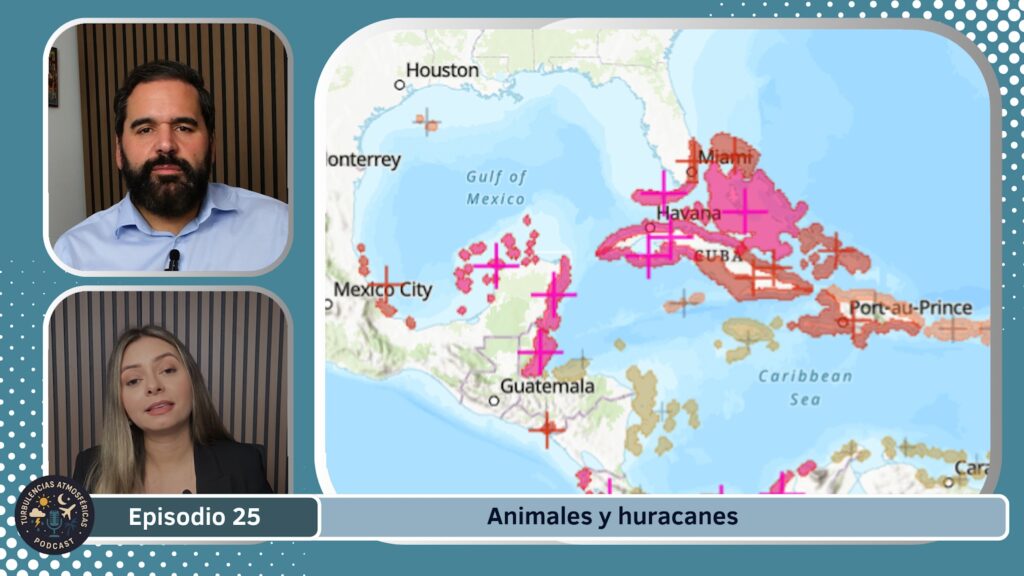
Corals, hurricanes and resilience
Hurricanes destroy. But they also regenerate. They are neither good nor bad. They are part of the system. What is no longer natural is extreme heat. The ocean absorbs almost all the excess energy on the planet. It is our shield. Our buffer. But it is saturated.
The corals continue to resist. They are fragile. But they are also resilient. They have the capacity to recover. If temperatures drop. If pressures are reduced. If damaged reefs are restored. They can grow back. They can sustain tropical life for centuries.
The future of the sea depends on what we do now. Every tenth of a degree matters. Every action counts. If the planet warms more than 1.5 °C we will lose almost all the reefs. And we will lose thousands of species. And natural coastal protection. And an essential part of marine life.
The ocean has always given us stability. Now it is asking for our help. To protect the climate is to protect the sea. To protect the sea is to protect our life.
In this chapter you will find
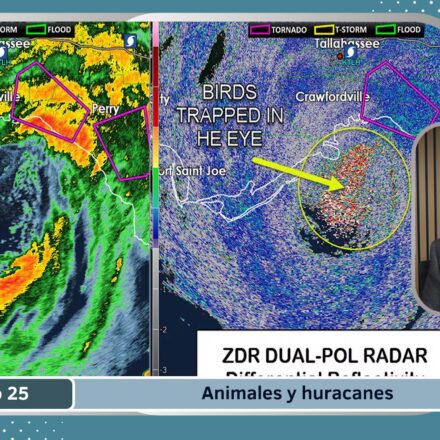
01:00 Animals and hurricanes
02:00 Sharks and hurricanes
06:00 Corals and hurricanes
10:00 Sargassum
17:00 Sea temperature
19:00 Plastics in the sea
22:00 Ocean acidification
25:00 Mangroves
26:00 The corals