

In August 2005, the Hurricane Katrina became one of the most devastating events in modern U.S. history. Born over the warm waters of the Atlantic, it quickly gained strength as it entered the Gulf of Mexico, where it reached the category 5 with winds of 280 km/h. Although it eventually made landfall as a Category 3, the real disaster came not only from the force of its winds, but from the collapse of the levee system in New Orleansdesigned to protect the city from flooding. When the barriers gave way, about 80 % of the metropolitan area was underwater, affecting nearly half a million people.

The human toll was shocking: more than 1,800 deaths y 1.2 million displaced personsCities such as Houston, Dallas, Atlanta and San Antonio received tens of thousands of refugees. The New Orleans Superdomewhich was supposed to be a temporary shelter, became a symbol of the tragedy: thousands of people trapped for days in unsanitary conditions, without electricity or drinking water. These images traveled the world and generated a deep sense of abandonment on the part of the authorities.
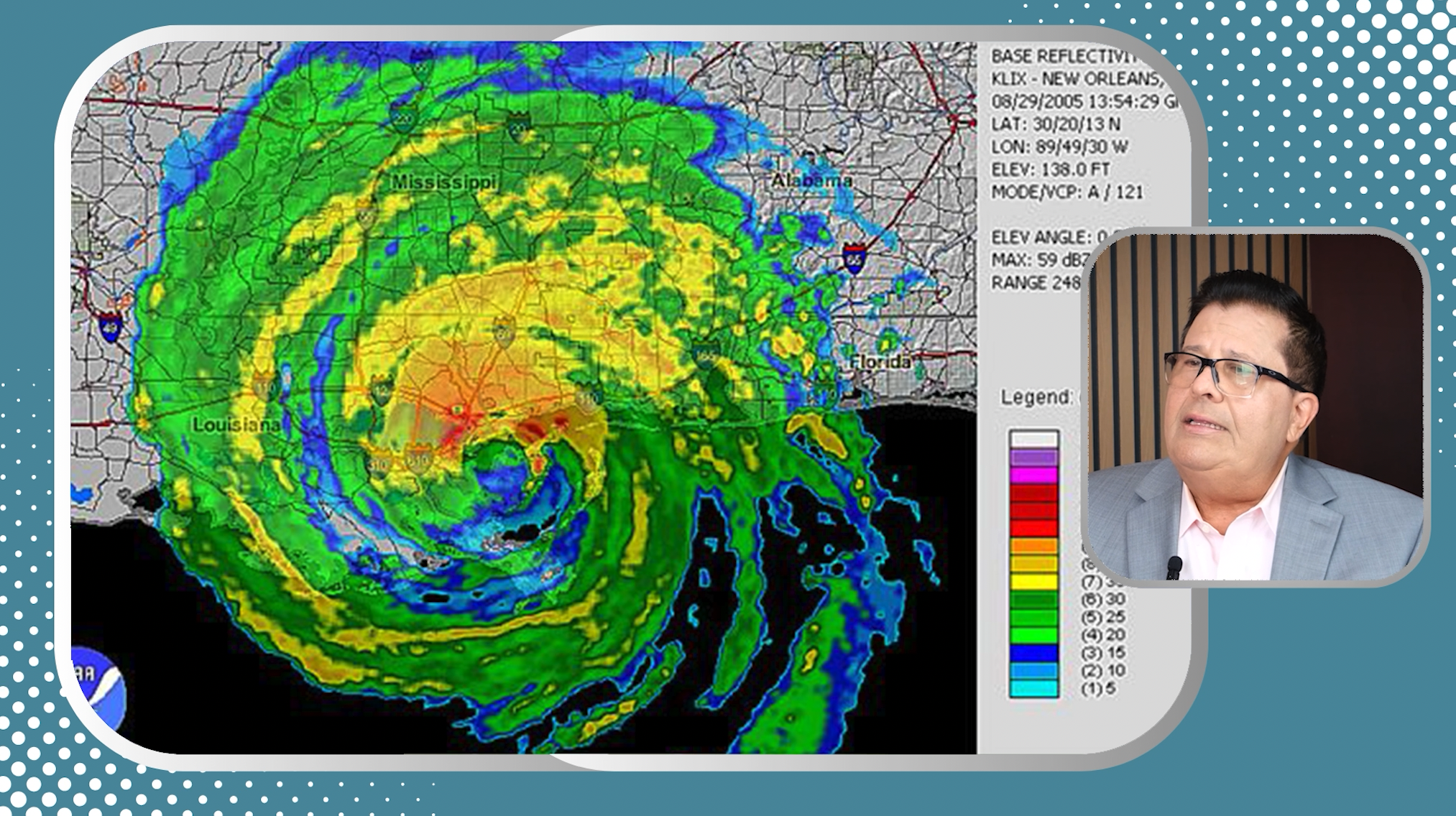
In economic terms, Katrina left estimated losses in more than $160 billionThe disaster was the most costly natural disaster in the country's history up to that time. Damage ranged from homes and roads to port and oil facilities in the Gulf, with a strong impact on the regional and national economy. Sectors such as energy suffered disruptions that were reflected in an immediate increase in fuel prices. In addition, more than 400,000 homes were destroyed or severely damaged, leaving an unrecognizable urban landscape.

The hurricane also revealed starkly the social and racial inequality in the United States. Most of the victims belonged to African-American and low-income communities that lived in more vulnerable areas and lacked the means to evacuate. The slow and uncoordinated response of local, state and federal authorities was harshly criticized, even by President George W. Bush himself, who acknowledged mistakes. Katrina became a tipping point in the debate over social justice, structural racism and disaster preparedness.
At the institutional level, the disaster forced a profound rethinking. The FEMA (Federal Emergency Management Agency) faced a credibility crisis and had to reform its action protocols. It also reversed 14 billion dollars to reinforce the levee system and resilient infrastructure in New Orleans and other coastal areas. Katrina also prompted improvements in early warning systems, evacuation plans, and cooperation between state and federal agencies.
Today, two decades after that tragedy, the memory of Katrina remains a reminder of the vulnerability of coastal communities in the face of increasingly extreme weather. Scientists warn that the climate change is intensifying stronger hurricanes and more torrential rainfallThis increases the risk of repeating a similar catastrophe. The 20th anniversary is not only a moment of remembrance to honor the victims, but also an opportunity to reflect on what has been learned: the importance of investing in resilience, in clear communication and in caring especially for the most vulnerable communities. Katrina not only scarred New Orleans, but forever changed the way the United States understands and deals with natural disasters.
You can retrieve the other chapters of Atmospheric Turbulence here.
 Español
  English