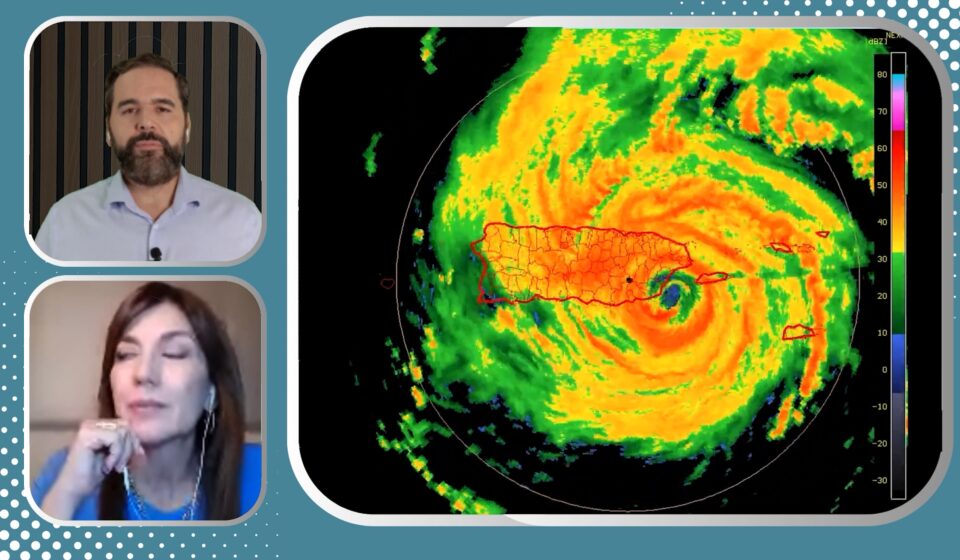

The before: accumulated vulnerabilities
At the time of Maria's arrival, Puerto Rico was already dragging fragility of the power gridmaintenance deficits and aging infrastructure, in addition to a fiscal crisis and sustained population loss. These conditions, prior to the hurricane, explain part of the severity of the subsequent impact and why the major power outages have persisted in subsequent years (including massive failures in 2024-2025).
During: trajectory, wind, rain and swell
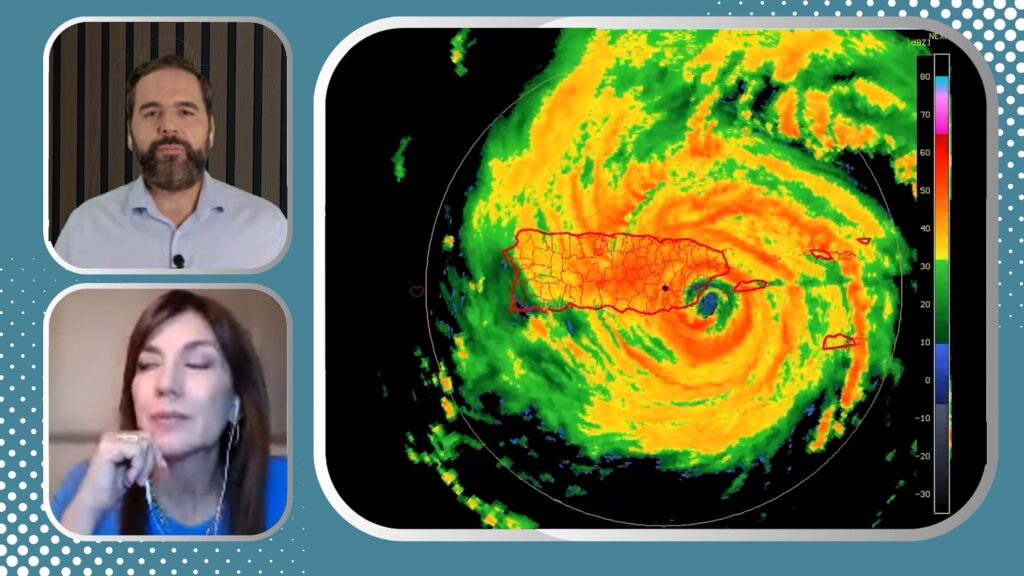
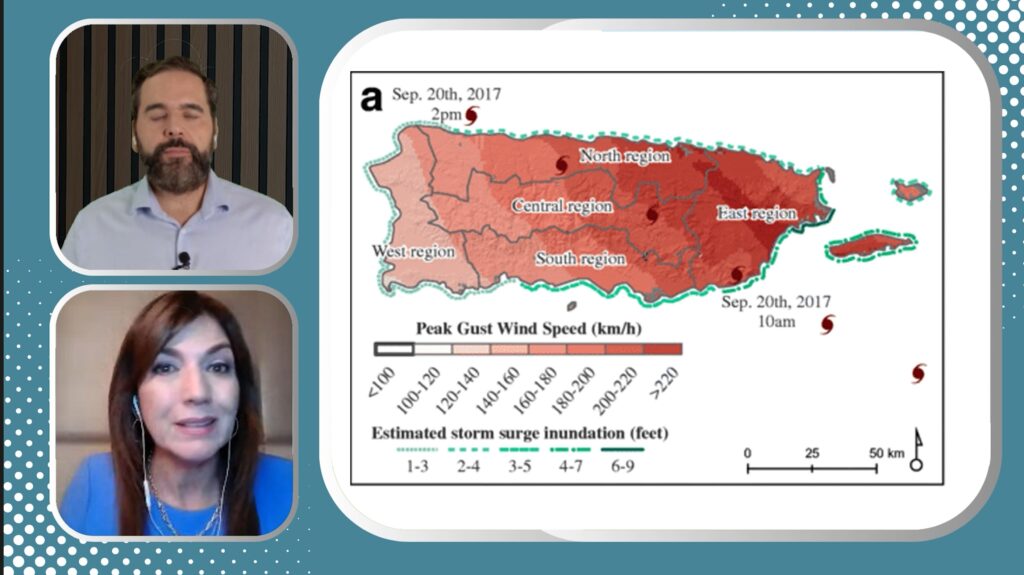
- Entry and advance: The eye made landfall near Yabucoa (6:15 a.m. AST) and crossed the island; it was reported gale-force winds in Vieques and the eastern part of the island since hours before. Extreme gusts and torrential rainfall caused severe flooding.
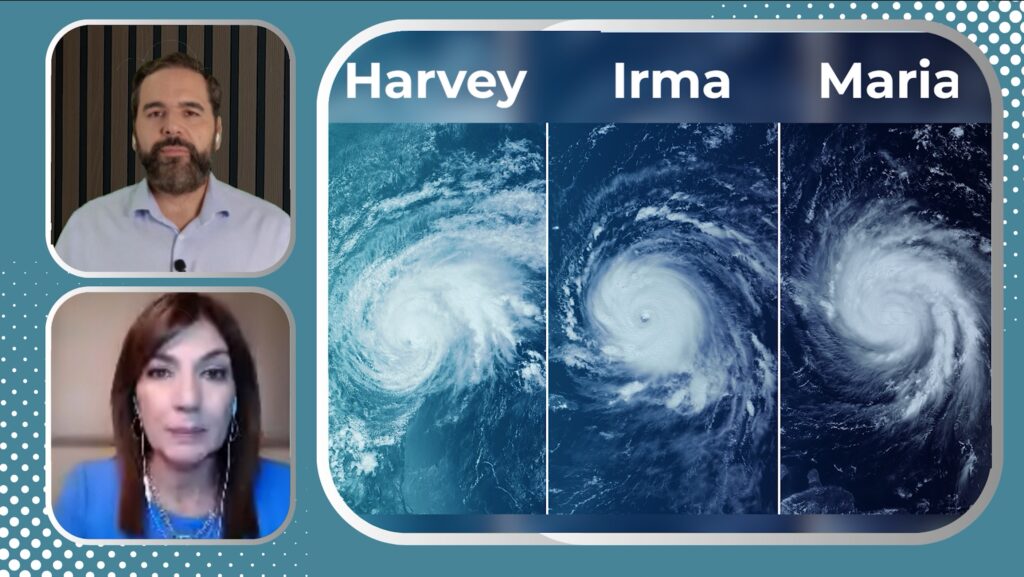
- Intensity: The NHC set the landfall intensity at 135 kt (155 mph)with indications that winds comparable to those at higher elevations could be felt at category 5.
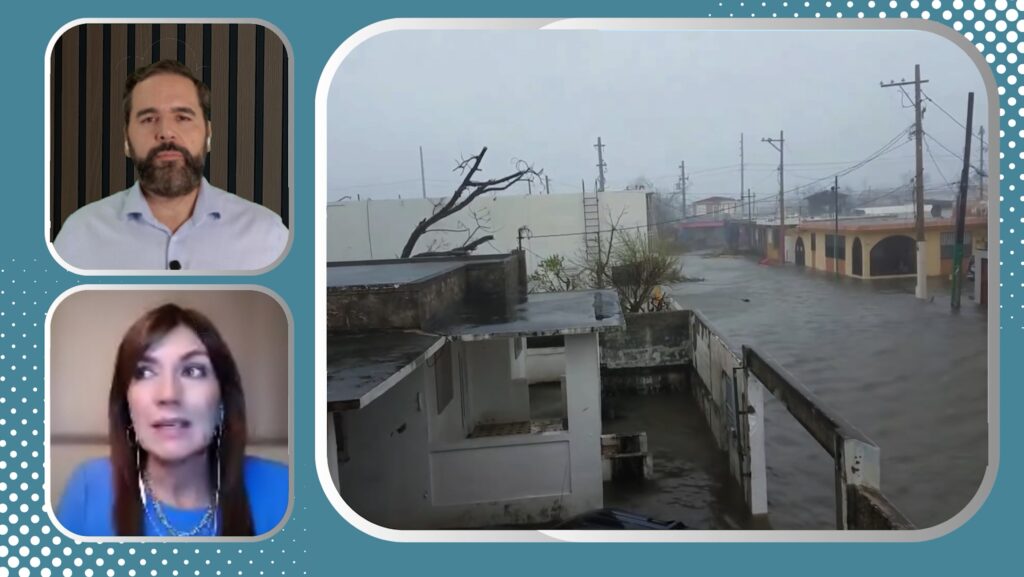
The aftermath: damage, casualties, blackouts and exodus
- Victims: In 2018, the Government of Puerto Rico officially reviewed the balance of deaths at 2,975 following the independent study of the George Washington University about excess mortality (Sept. 2017-Feb. 2018)..
- Historic blackout: The full restoration of electric service to all customers took ~328 days (almost 11 months)the longest blackout in U.S. history.
- Damage and infrastructure: Damage included housing, schools, hospitals, roads, agriculture and telecommunications. The fragility of the system has been evidenced by new island-wide outages years later.
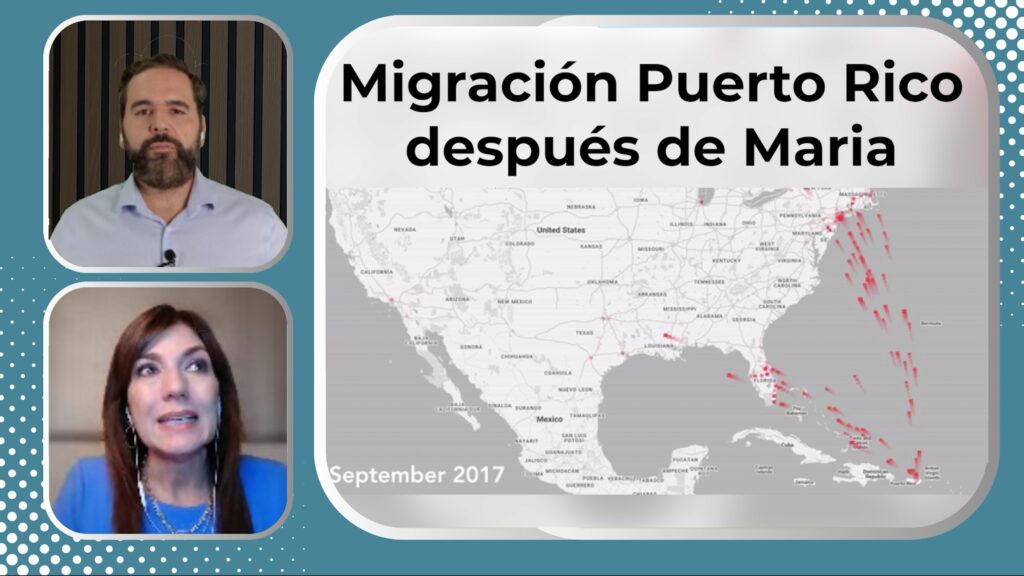
- Population exodus: The Center for Puerto Rican Studies (CUNY/ Hunter College) estimated hundreds of thousands of net outflows following Maria; scenarios projected 114,000-213,000 emigrants per year in the short term and until ~470,000 people between 2017 and 2019. Other analyses show a displacement spike of almost 100,000 passengers net in October 2017.
Recovery and resilience
Reconstruction has included federal funding and electric system reforms (transmission/distribution and generation), but vulnerabilities persist y recurring major outages (e.g., December 31, 2024 y April 2025). Civil society has promoted local solutions such as distributed solar with batteries to increase resilience.
Ada Monzón: science, communication and public service
During and after Maria, the meteorologist Ada Monzon -a key figure in Puerto Rico warned millions the threat of the "monster" Maria and sustained an intense work of education and accompaniment to the population in the recovery phase, in addition to subsequent technical conferences. In our chapter on Atmospheric Turbulence dedicated to Mary, her testimony helps us to understand both the cyclone dynamics as the social needs in case of emergencies.
Historical context: major hurricanes in Puerto Rico
- San Ciriaco (1899): Floods and catastrophic destruction; ~3,400 deaths reported; one of the deadliest events in the Atlantic in terms of population.
- St. Philip II / Okeechobee (1928): Unique category 5 in making landfall in Puerto Rico; winds ~160 mphtens of thousands of homes destroyed.
- Hugo (1989): (contextual mention of severe impact in the Caribbean and PR).
- Georges (1998): Landfall in southeastern PR (~100 kt); multi-million dollar damage and agricultural devastation (banana, banana, coffee).
Other dangers: the seismic sequence 2019-2020
Puerto Rico also had to deal with a seismic sequence in the southwest culminating in the earthquake Mw 6.4 of January 7, 2020with ground failures, structural damage and power outages. USGS documented >800 observations of ground faults and multiple events ≥ M5.
Lessons and recommendations
- Resilient energy: microgrids, solar + batteries in critical installations (hospitals, water pumps, telecom).
- Risk communications: reliable scientific spokespersons (e.g. Ada Monzon) and consistent multichannel messages.
- Territorial planning: urban drainage, watershed and coastal protection, and building codes that integrate wind, rain, storm surge and seismic activity (multi-threat).
- Data and transparency: measurement of excess mortalityThe company's infrastructure audits and public progress dashboards.
01:30 Historic hurricanes in Puerto Rico
04:40 September 19, 2017
07:00 The impact of Maria
09:00 Living through the hurricane
11:30 Working blind
15:00 In the dark
20:00 Puerto Rico is born
22:00 Are we ready?
28:00 Ecoexploratory
34:30 Discovering the Island of Enchantment
37:30 Women of the time
You can retrieve the other chapters of Atmospheric Turbulence here.
 Español
  English