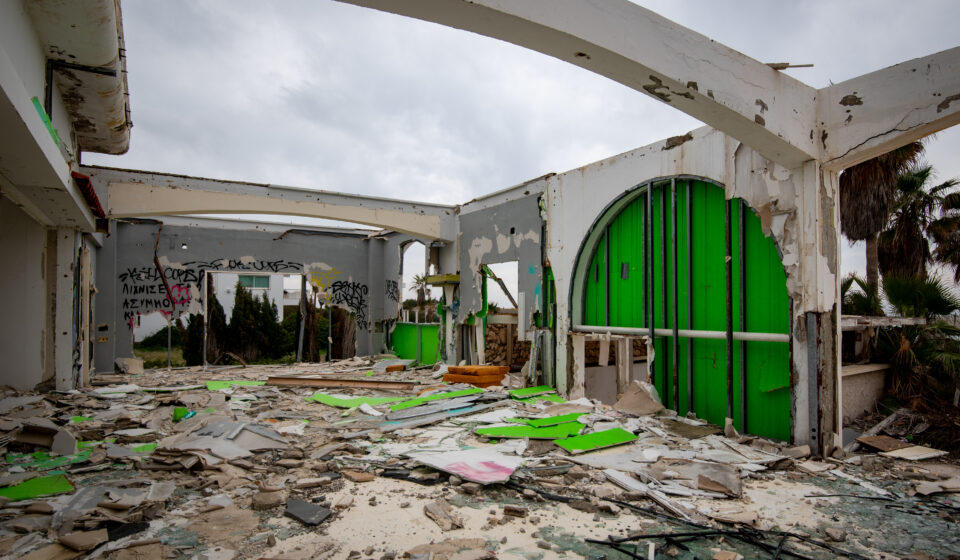

Dangers persist even after the skies turn blue. This is NOT the time to let your guard down. Nearly half of all hurricane deaths occur after the storm.
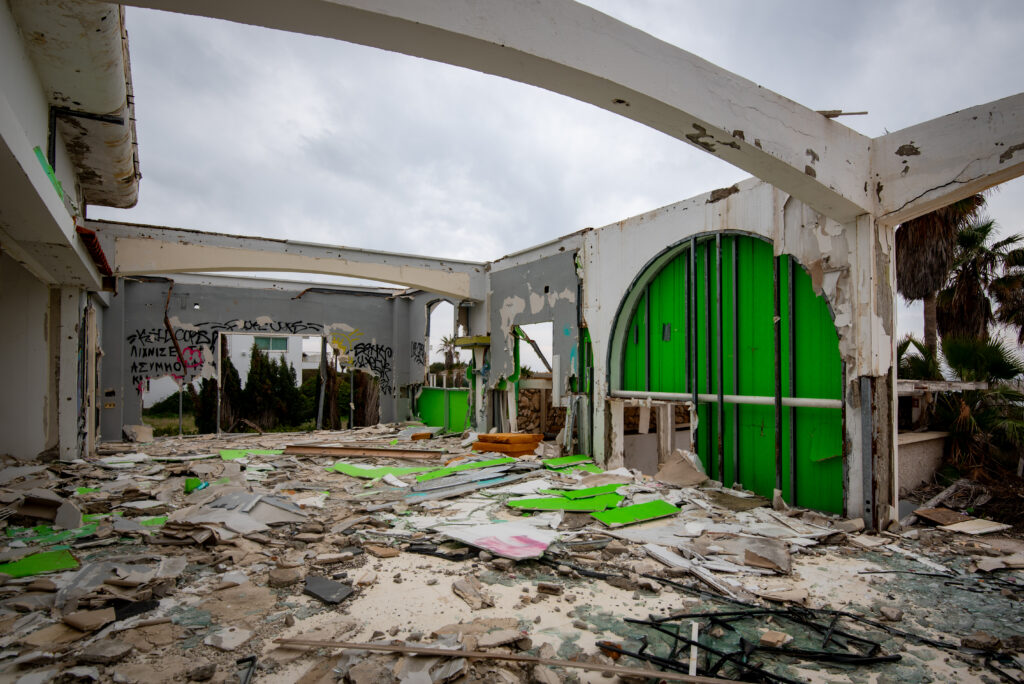
Return home ONLY when authorities say it is safe. Check with local authorities, both where you are staying and at home, before traveling.
Remain vigilant, as dangers persist
Be careful around damaged buildings. Walk carefully around your home to check for loose electrical wires, gas leaks and structural damage, including dangerous debris such as nails or glass. Leave your home if there is unusual movement or noises. If you smell gas, leave immediately and call 911.
Avoid electric shock by staying away from downed power lines. Stay alert: they may be on the ground, hidden in water or dangling over your head.
Flooded roads are very dangerous. It can be difficult to gauge the depth or speed of water; as little as a foot of water can float a car. Never drive through flooded roads, even to get supplies or visit someone. Flooding can also affect bridges and roads. Avoid areas with flooded rivers, as their level may continue to rise long after a storm passes.
Also, do not walk through flood waters: they may contain harmful bacteria, chemicals, sharp objects and dangerous animals.
Clean up safely: don't overdo it and watch out for your neighbors.
Stay hydrated, wear light, loose-fitting clothing, and clean during cooler hours if possible. Don't overexert yourself: straining your body can lead to heart attacks, heat stroke and other serious problems. Clean slowly, taking plenty of breaks. Be sure to keep an eye out for elderly neighbors and other vulnerable people in your community. If your area is under a heat alert, exercise extreme caution and consider cleaning up when the heat has abated.
Put safety into practice with portable generators
Be very careful with portable generators: carbon monoxide poisoning is a leading cause of death in areas with power outages. Never use a generator inside your home or garage, even if the doors and windows are open. Use generators only outdoors, more than 20 feet from your home, doors and windows.
Help and communications may not be available
After a hurricane, emergency services may be overwhelmed. Be aware that it could take hours or days to reach your area. Communication systems may be affected and making phone or video calls may be difficult due to network congestion. If possible, communicate via text message, email or social media.
 Español
  English