


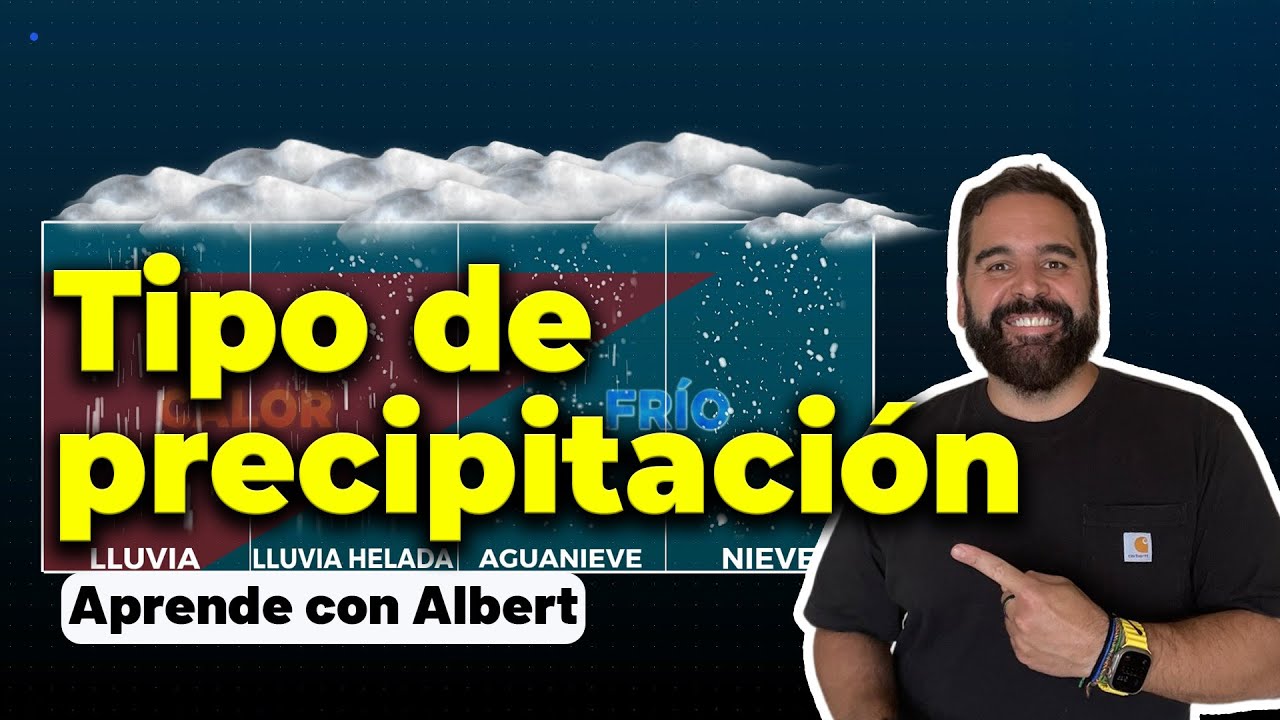
Why doesn't it always snow when it's cold?
Discover why it sometimes rains instead of snows, even when temperatures are very low. The key lies in the different layers of the atmosphere and how they affect precipitation.
Complete winter weather guideScience, meteorology and curiosities of the world around us
Welcome to our educational section where we explore the most fascinating natural phenomena on our planet. From powerful atmospheric rivers to devastating tsunamis, learn how Earth works with clear explanations and educational videos.
Learn about winter weather phenomena: snowstorms, ice, and how to prepare for extreme cold.
Discover why it sometimes rains instead of snows, even when temperatures are very low. The key lies in the different layers of the atmosphere and how they affect precipitation.
Complete winter weather guide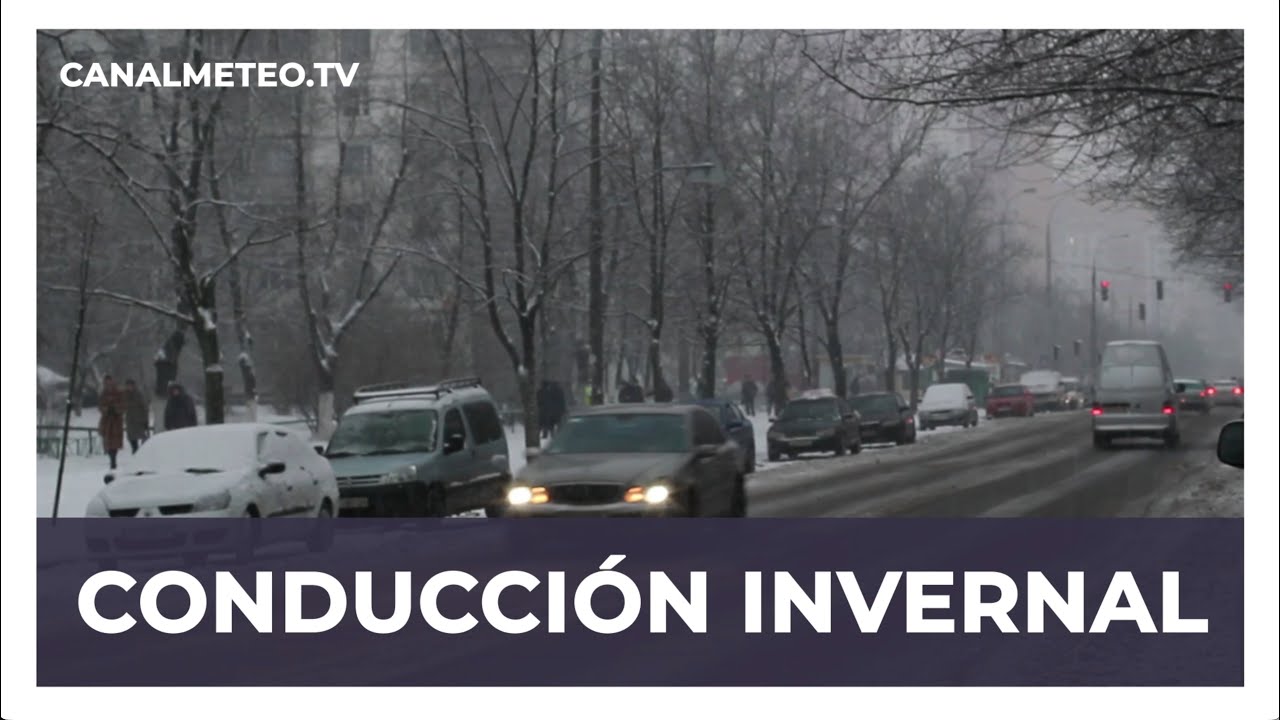
Black ice is a transparent layer of ice that forms on roads and is almost invisible. Learn to identify it and what to do if you encounter it while driving.
More about black iceDiscover how atmospheric phenomena that affect our daily weather work.
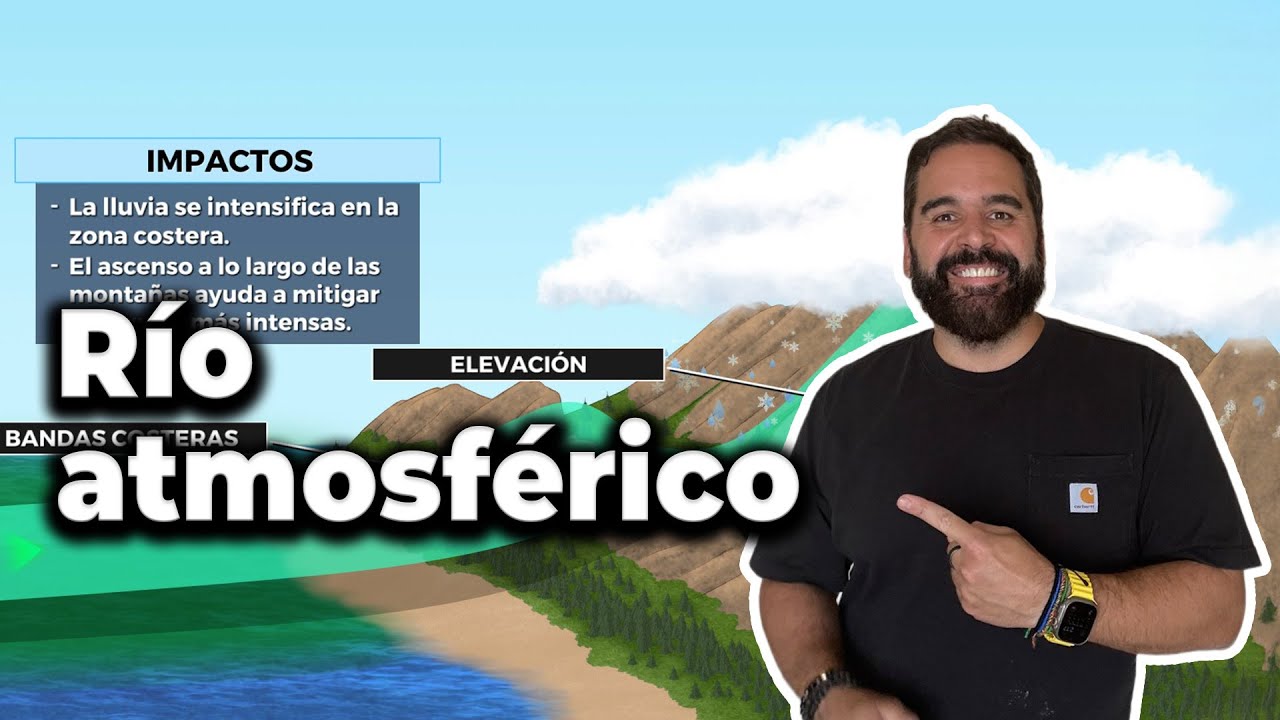
Atmospheric rivers are narrow bands of concentrated moisture that transport water vapor from the tropics to higher latitudes. They can bring beneficial rains or cause devastating floods.
More info at Tiempo.com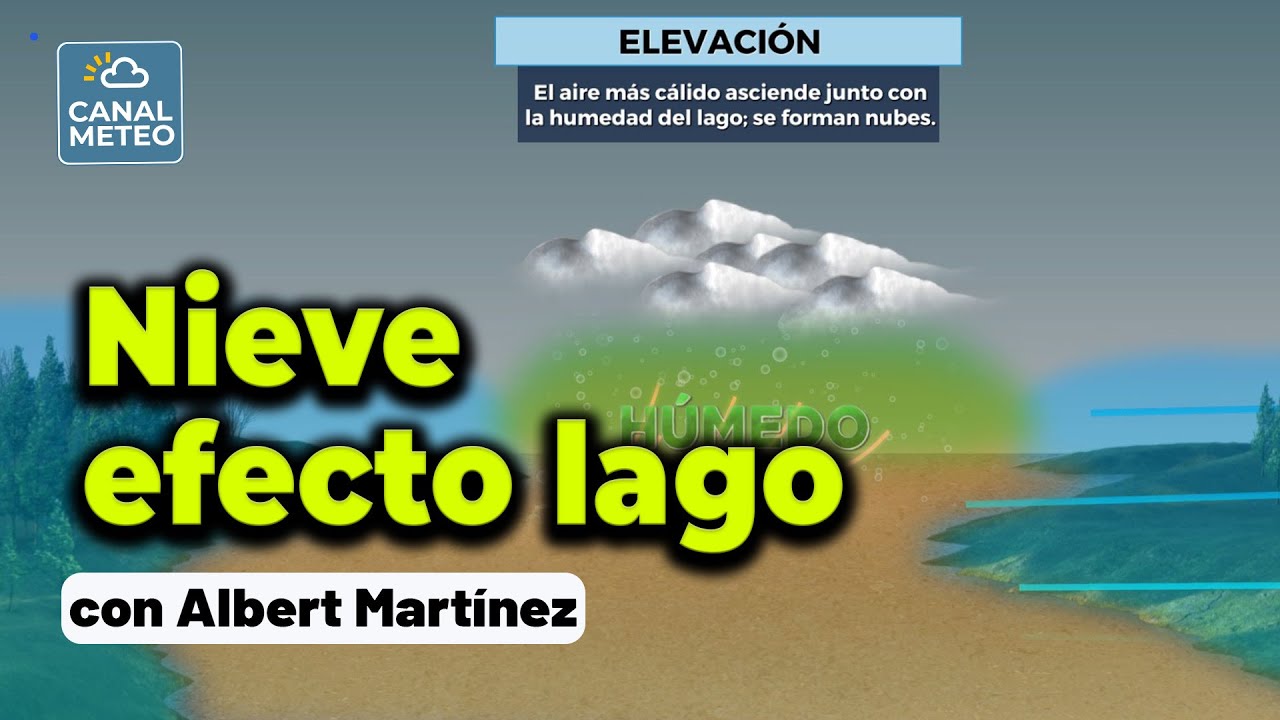
Lake effect snow occurs when cold air masses pass over warmer lake waters, picking up moisture that then falls as intense snow in coastal areas.
More info at MeteoredExplore the geological processes that shape our planet and generate natural phenomena.
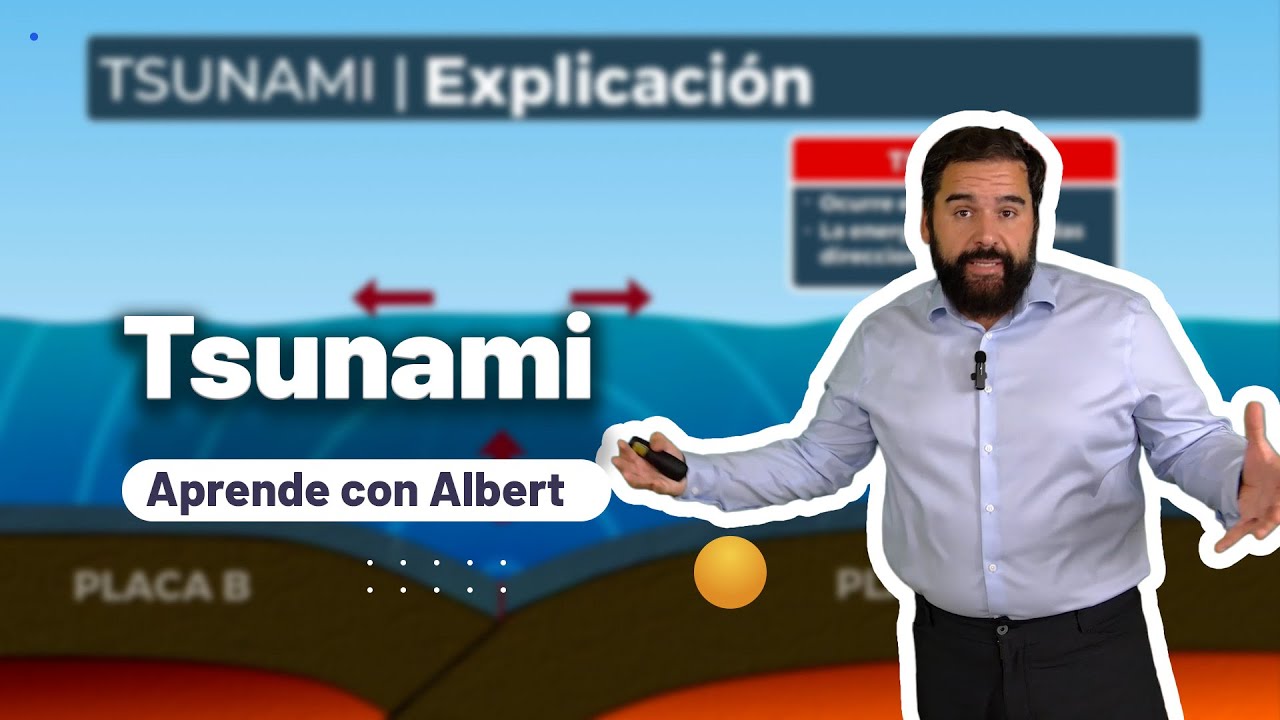
A tsunami is a series of long ocean waves caused by underwater seismic movements, volcanic eruptions, or landslides. They can travel at speeds up to 800 km/h in open water.
More info at National GeographicSubscribe to our YouTube channel so you don't miss any video
Watch full playlist