

TEGUCIGALPA, Honduras - Five years after the double coup of Eta e Iota and almost three decades after MitchCentral America continues to define its present on the basis of three names. The cyclones of 1998 and 2020 not only devastated houses and roads; they exposed a vulnerable geography, an occupation of the territory marked by poverty and the urgency of more resilient warning and reconstruction systems.
Recent history offers an uncomfortable pattern: extreme rainfall on already saturated soils, landslides on degraded slopes and rivers that overwhelm infrastructures designed for a climate that is no longer the same. The cold data support what the neighbors have been sensing for years: each season requires more preparation than the previous one.
2020: two major hurricanes on the same coast, days apart
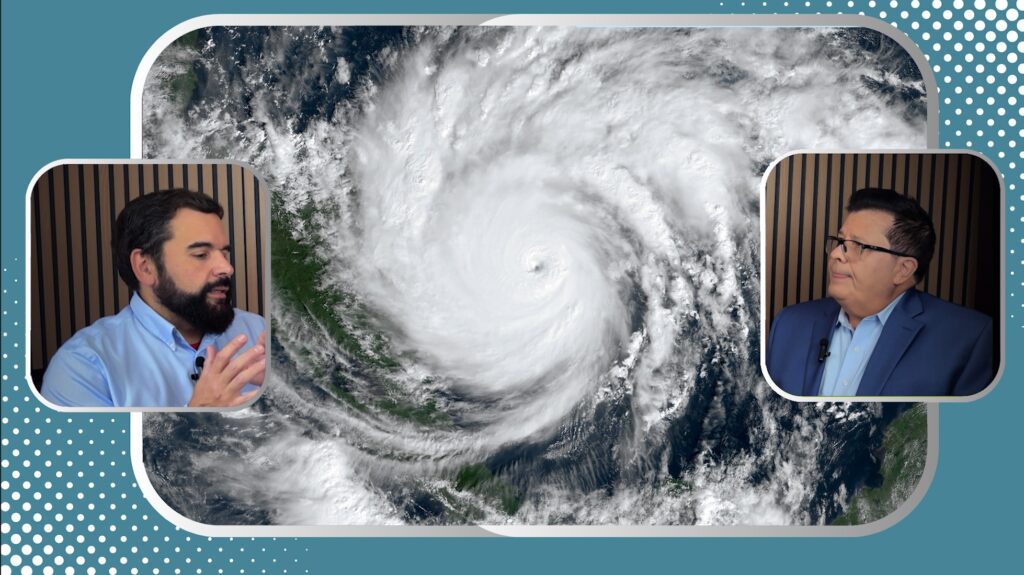
In the hyperactive 2020 season, Eta was formed October 31 and reached Category 4 the November 2 (≈ 150 mph / 240 km/h). Landed on November 3 near Puerto Cabezas (Bilwi), Nicaragua. After weakening, it discharged torrential rains in Honduras, Guatemala y El Salvador. Days later, it re-emerged and made landfall again, this time at Florida like tropical storm.
The balance sheet left at least 200 deaths -many due to landslides in Alta Verapaz (Guatemala)-, more than 3.5 million of people affected in Central America and losses in excess of US$ 2 billion.
Just 10 days later on, he was born Iota. The November 16 reached Category 5 (≈ 160 mph / 260 km/h), the later Cat. 5 hurricane registered in the Atlantic, and impacted Nicaragua a about 15 km from the point where Eta had made landfall a week earlier. The November 18 about El Salvador.
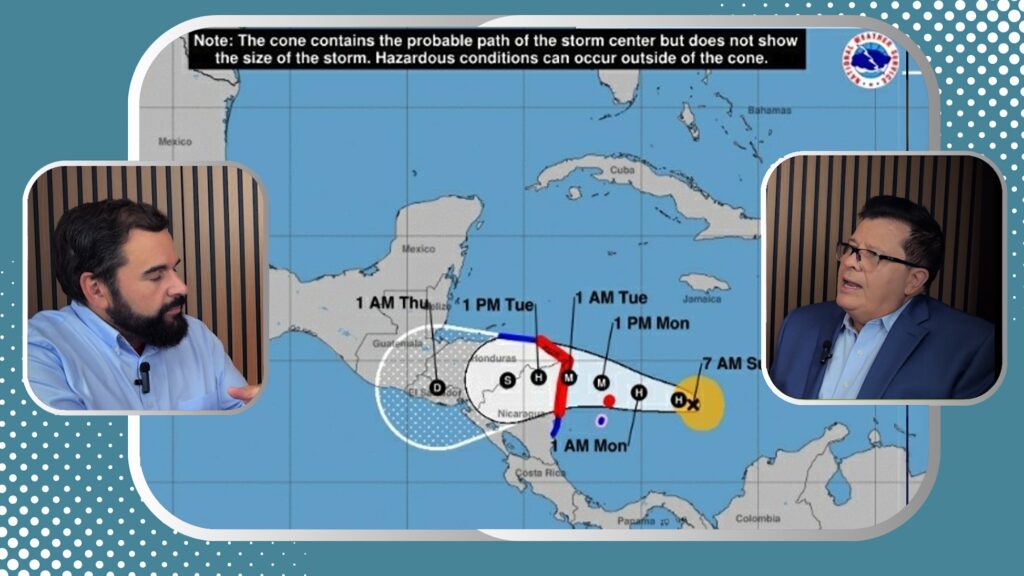
Iota left at least 70 deaths, more than 500,000 evacuees and damage due to > US$ 1.3 billion. The land is already saturated by Eta multiplied floods and landslides, a common domino effect when extreme events are chained together.
Structural reading2020 occurred under a episode of La NiñaThis pattern favors cyclones in the Caribbean. The World Meteorological Organization withdrew the name "Iota" in 2021 for its impact. It was also the year with 30 named cyclonesthe most active season on record.
1998: Mitch, the turning point
The October 22, 1998, Mitch was organized in the Caribbean, climbed to Category 5 with winds of ~180 mph (290 km/h) y 905 hPa minimum pressure. Between the October 29 and November 3 was practically stationary on Central America. The result was an episode of extraordinary rains that changed the social map of the isthmus.
- Honduras: ~7.000 deceased and ~2.700 missing; 1.5 million of homeless people (~20 % of the population). More than 70-80 % from bridges and systems sanitary/electrical seriously damaged; agricultural losses close to 70 % (corn, sorghum, coffee, banana). Sprouts of cholera (≈ 2.328 cases), leptospirosis y dengue.
- Nicaragua: ≥ 3.800 deceased; some 2.000 for a lahar from Casita volcano that razed villages such as Posoltega; 500.000-800.000 displaced; ~70 % of unusable roads and 71 bridges collapsed.
- Guatemala: ≈ 268 deaths; > 100.000 evacuees; 27 bridges destroyed and ~640 km of affected highways.
The regional cost was estimated at between US$ 6.0 billion and 10 billion. Honduras recorded a drop of GDP of ~1.9 % in 1999; subsequent analyses report local contractions of 2.6-3.9 % and a rebound only in the second year (2.5-3.6 %). With 11,374 confirmed deathsMitch is the second deadliest Atlantic hurricane since 1780.
What changedafter Mitch came satellite networks from early warning, protocols and the strengthening of regional and firefighters, Red Cross y emergency commissions. In public finances, instruments such as the catastrophe bonds. On the social side, studies underlined differentiated gender impacts and the leadership of women in the reconstruction. Much progress was made; not enough.
Nicaragua, between lakes and volcanoes
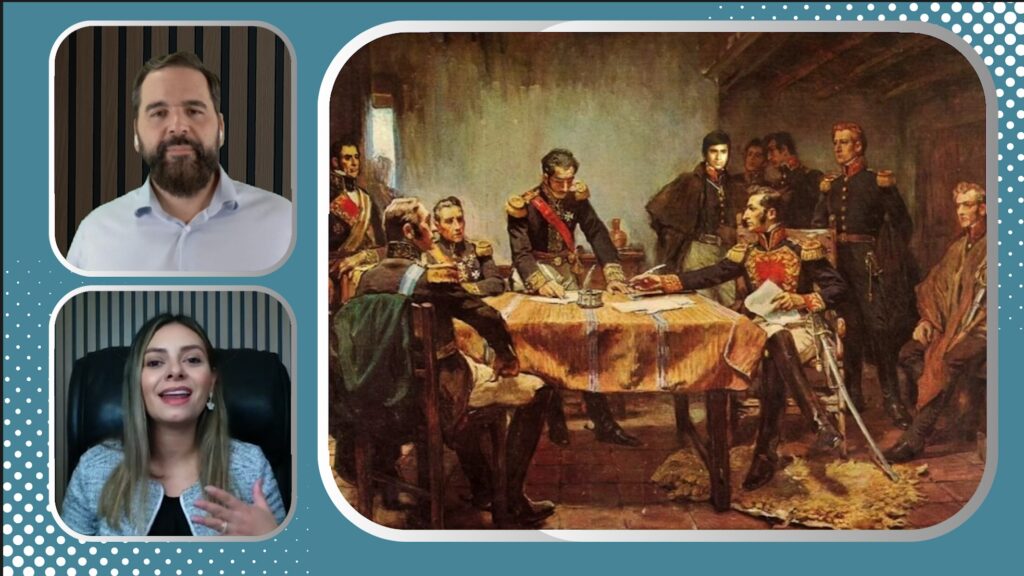
Independence and State. Proclaimed its independence on September 15, 1821 the rest of Central America and, in 1838separated from the Central American Federation to consolidate itself as a republic. The term "Nicaragua"is associated with the chieftain Nicarao and to the lake Cocibolca (Lake of Nicaragua), often interpreted as ".land surrounded by water".
Grenada (1524) is one of the colonial cities continent's oldest still inhabited. The flag blue-white-blue alludes to the oceans that flank Central America and to peace; the coat of arms is triangle, Phrygian cap, sun, mountains y rainbow. With more than 25 active and inactive volcanoesMasaya, Mombacho, Momotombo-volcanism is part of their landscape, tourism e identity.
Honduras, memory and future
State and capital. Independent since 1821After a brief stint in the Empire of Iturbide and the Central American Federationconsolidated as a nation in 1838. Comayagua was the colonial capital; from 1880the capital is Tegucigalpa.
Name and flag. The name is attributed to the exclamation of Christopher Columbus on the "honduras" of its waters. The flag blue-white-blue y five stars symbolize the Pacific, the Atlantic, peace and the ideal of central american unity.
Biodiversity. Roatanpart of the Mesoamerican Reef System -the second largest world, it is a natural laboratory for a ecotourism which, if well managed, can be an engine for development.
What Eta, Iota and Mitch demand today
The three storms -separated by 22 years old and united by a same geography- leave a clear agenda:
- Territorial planning. Limiting settlements in unstable slopes y flood zonesOperational and binding risk maps.
- Resilient infrastructure. Bridges, levees and drains with standards for rainfall in the 21st century.
- Alertness and education. Early systems that reach the last community and curricula of civil protection.
- Risk finance. Contingency funds and parametric hedging to accelerate the response.
- Equity. Design recovery with gender perspective y social protectionDisasters do not strike everyone equally.
The region has learned, sometimes at an unbearable cost. But the question that returns with every season is whether the learning is translated in time in elevated streets, safe housing and functioning community plans when it rains too much again. Because he will be back.
In this chapter you will find:
02:00 Hurricane Eta
04:30 Hurricane Iota
07:00 The Greek alphabet
10:30 The founding of Nicaragua
13:00 Hurricane Mitch
15:30 The great Central American migration
17:30 Relief in Central America
19:00 Discovering Honduras
22:00 Hurricanes in Panama
23:30 The hurricane cemetery
Remember that you can retrieve our entire series here