

The extreme cold that has affected much of the eastern part of the country will continue through February. Areas from the Plains to the northwest with the Polar vortex now losing strength. Below average temperatures will be experienced during the month as a frigid pattern remains over the country.
The sub-zero temperatures that have left bitter cold over the eastern half of the country will not go away as a major disruption of the Polar Vortex approaches this month.
Polar Vortex: What Has Changed?
While the cold is not new, the Polar Vortex pattern was different.
The cold that arrived in late January was caused by the vortex that remained strong but shifted over Canada, sending extreme cold into the United States.
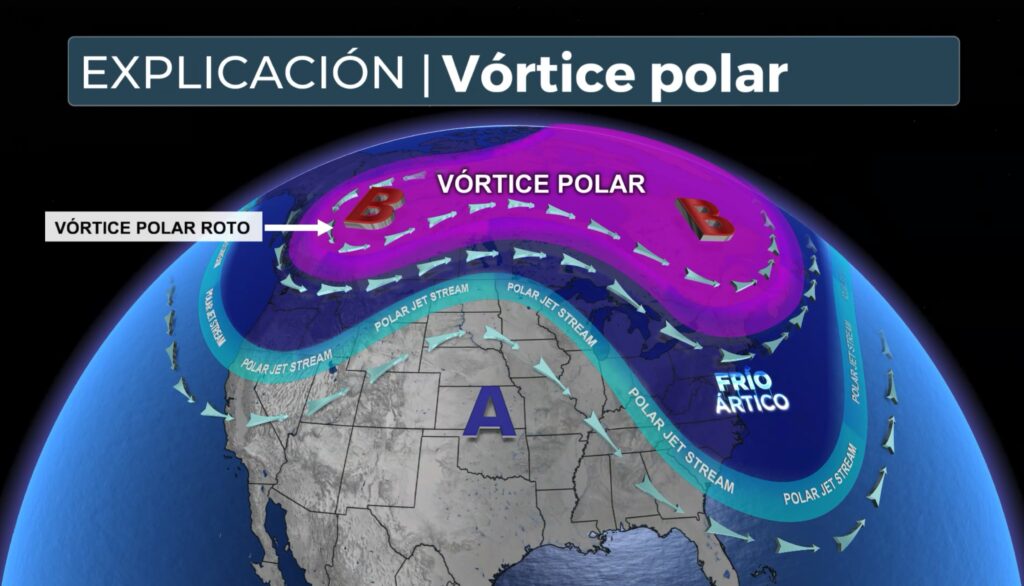
This disruption of the Polar Vortex will take the form of a Sudden Stratospheric Warming Event (SSWE), which occurs when temperatures high in the atmosphere rise rapidly, weakening or even breaking the winds that normally confine cold air near the North Pole.
When this happens, the polar vortex may split or shift, allowing frigid arctic air to spill southward into the eastern United States.
Forecast for February
This blast of frigid air will reach the east more frequently than last time as the polar vortex weakens.
The Climate Prediction Center shows high confidence in below average temperatures for the month.
If this forecast holds, the combination of a cold January and this pattern could produce one of the coldest winters in years for much of the region, all tied to the weakened Polar Vortex.
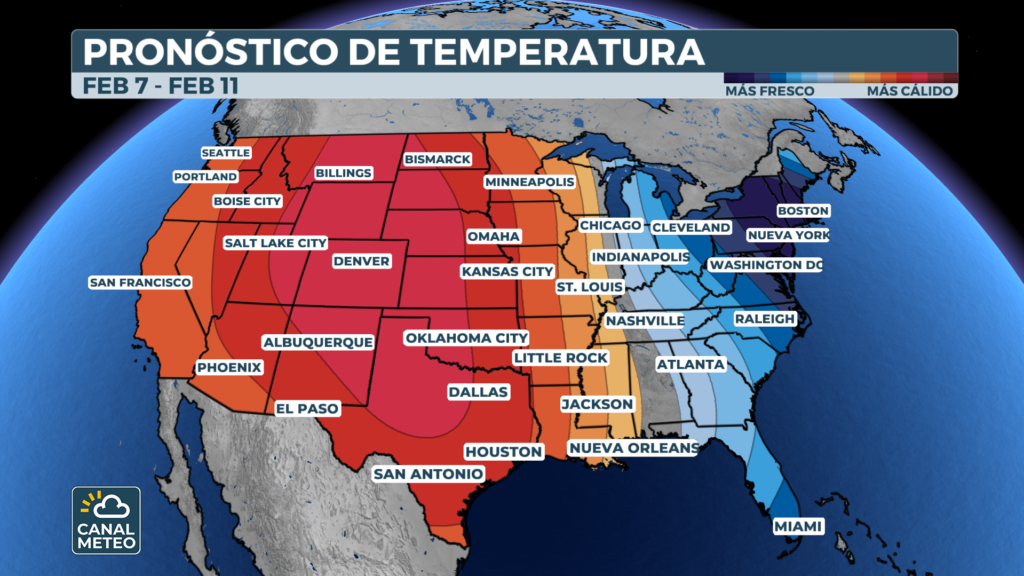
Below-average temperatures are very likely in:
- The Great Lakes
- The Northeast
- The Southeast
Temperatures in the West will remain warmer than average during the month.
Summary for the month of January
January brought a roller coaster of weather, from extreme cold across the country that even extended as far as Florida.
Below-average temperatures left iguanas stunned by the cold in the Sunshine State, breaking record lows set decades ago.
Devastating winter storms
The month brought a major winter storm that caused millions to lose power and dropped feet of snow and inches of ice from the Midwest to the Southeast.
Nearly 80 people were killed by the storm in at least 16 states.
Historical Nor'easter
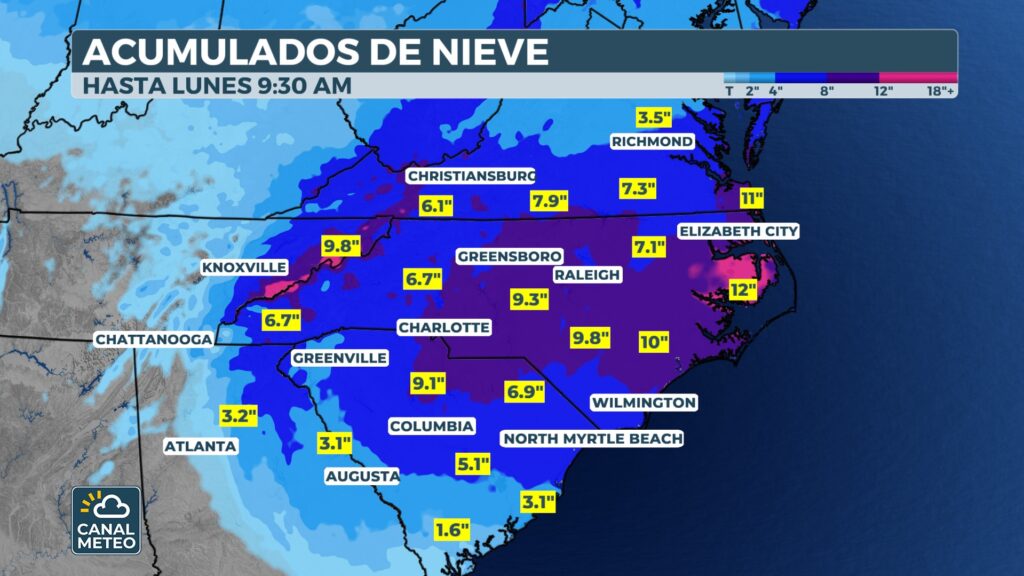
Historic snowfall was recorded in both North Carolina and South Carolina.
Coastal damage
The storm battered the beaches of the Outer Banks, causing an abandoned beach house in Buxton to collapse into the ocean during hurricane-force winds and large waves. This marks the 28th house to collapse into the ocean since 2020 and the first in 2026.
The nor'easter continued its track up the East Coast on the first day of February, preparing to brush Massachusetts and southern New England with snow and more winds amid extreme cold.
Remember that you can see Weather Channel here.