
The wildfires United States are marking an alarming start to the season in 2026. According to the National Interagency Fire Center (NIFC), as of March 25, more than 1,490,000 acres have burned nationwide, with 28 large fires still uncontained. The national preparedness level has been raised to PL 2, requiring federal coordination among multiple regions.
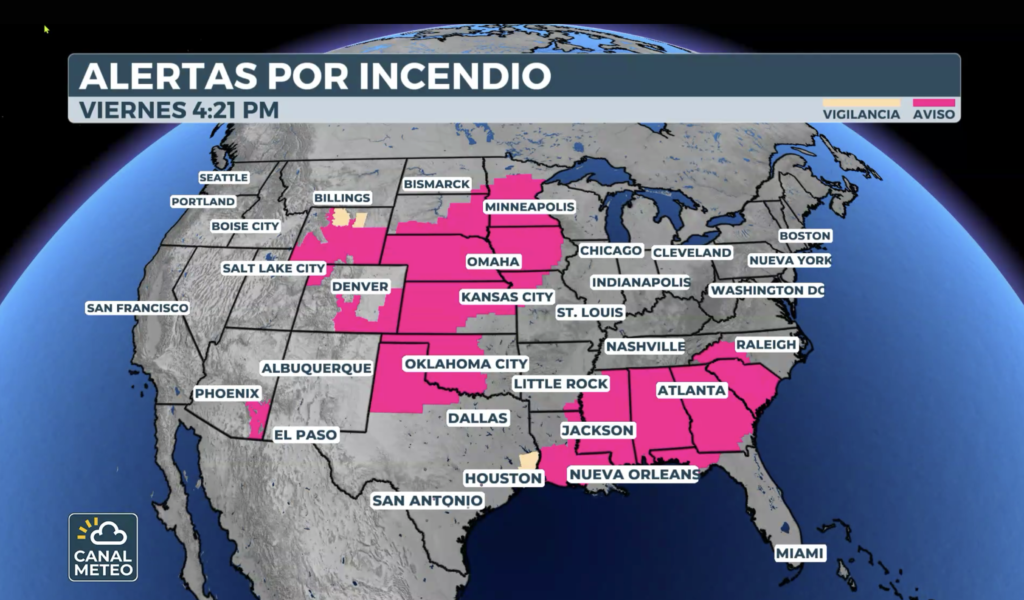
Consult our interactive map of forest fires on Canal Meteo TV to follow the situation in real time.
Red flag: the most critical alert for wildfires United States
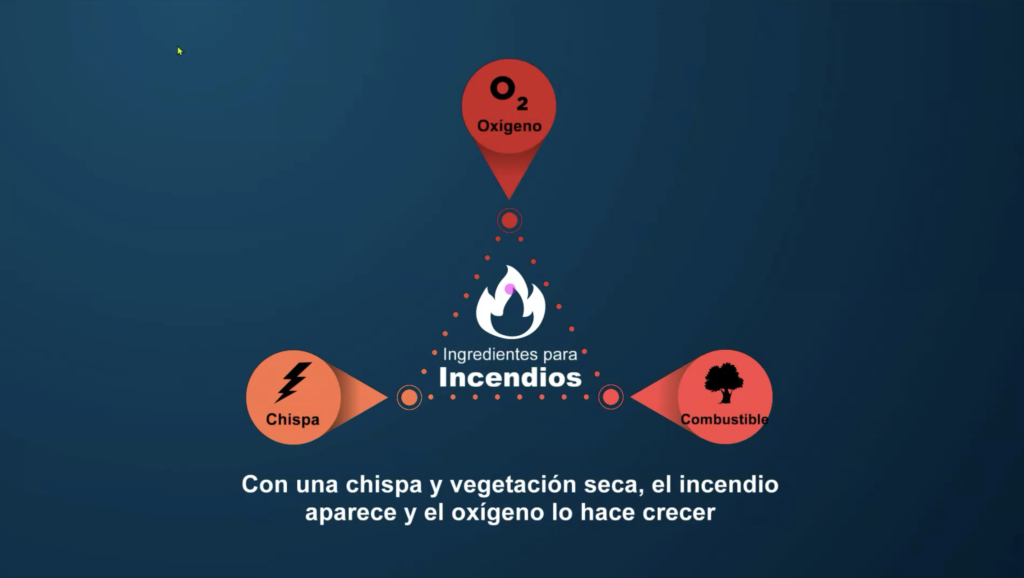
The red flag alert (Red Flag Warning) is the warning issued by the National Weather Service (NWS) when conditions create an extreme fire risk. It is triggered by a combination of high winds, relative humidity below 20%, high temperatures, and dry vegetation. During this alert, a single spark can cause a rapidly spreading fire.
Not to be confused with Fire Weather Watch (Fire Weather Watch), which is issued 12 to 72 hours in advance as a preventive warning.
Where are the most severe U.S. wildfires?
In the Great Plains, Nebraska experienced the largest fire in its history: the Morrill Fire burned 642,000 acres before being contained on March 25. The NIFC warns that more than 100 million acres of dry grasslands are poised to burn in Colorado, Kansas, Oklahoma, New Mexico and Texas. Fuel moisture is at levels near record lows.
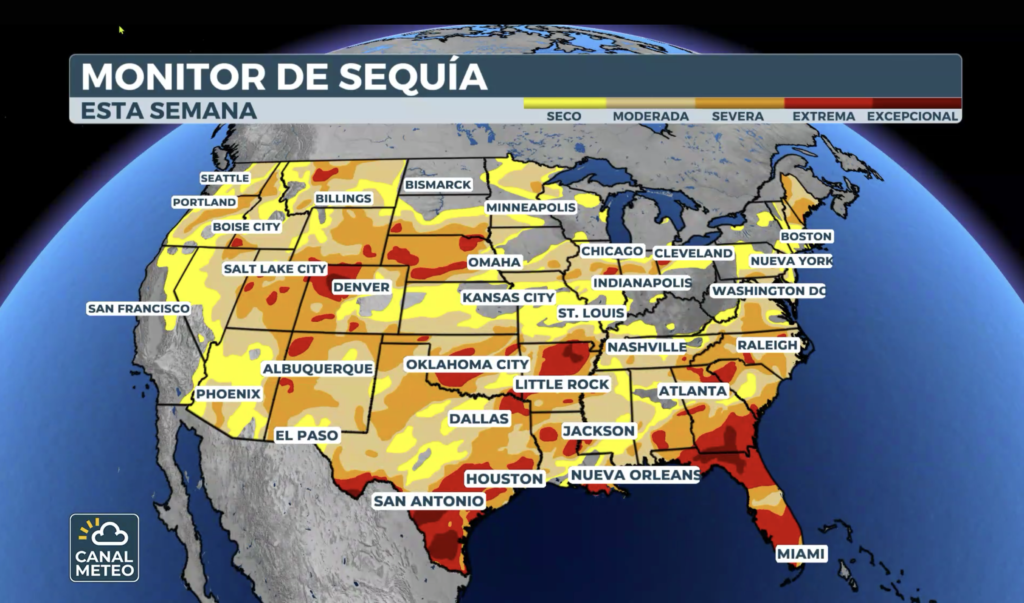
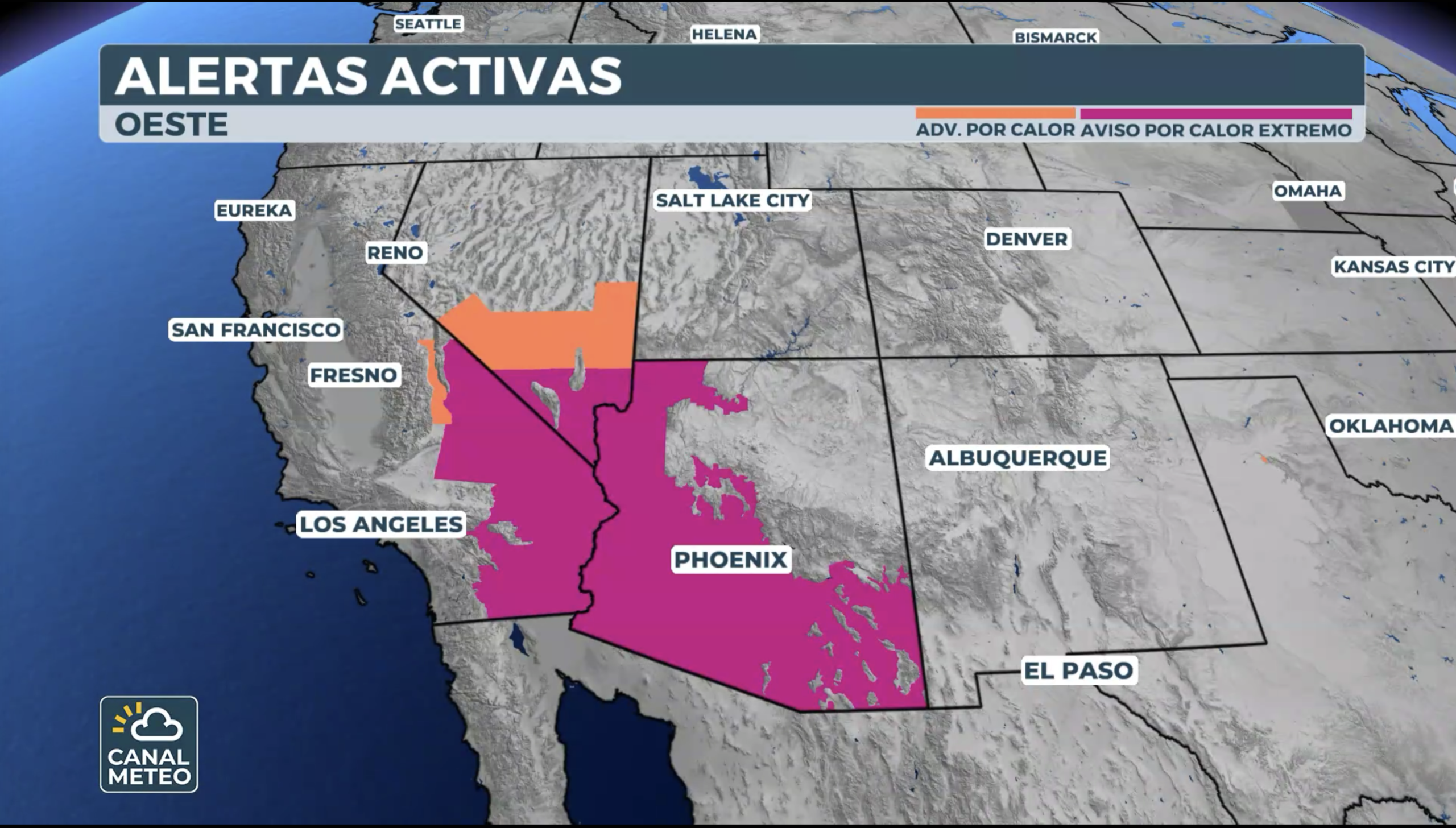
In the southeast, Alabama reported 147 fires in a single week, burning more than 5,600 acres. Florida, Georgia and the Carolinas are facing prolonged drought combined with abundant electrical activity. In the west, A record heat wave has melted snowpack from California to Colorado, an unprecedented record in at least 40 years according to scientists at the University of Colorado. More than 40% of the country is in drought conditions.
How to protect yourself during a wildfire alert United States
If you are in a red flag warning area, monitor alerts from the NWS and your local fire department. Avoid any spark-generating activities, observe burn bans and prepare an evacuation plan with an emergency kit. Close windows and doors to prevent embers and remove flammable materials from the perimeter of your home.
Consultation the official NIFC website for updated information. At Meteo TV Channel We will continue to keep you informed about the evolution of the U.S. wildfires and the active alerts. Stay informed, stay safe.