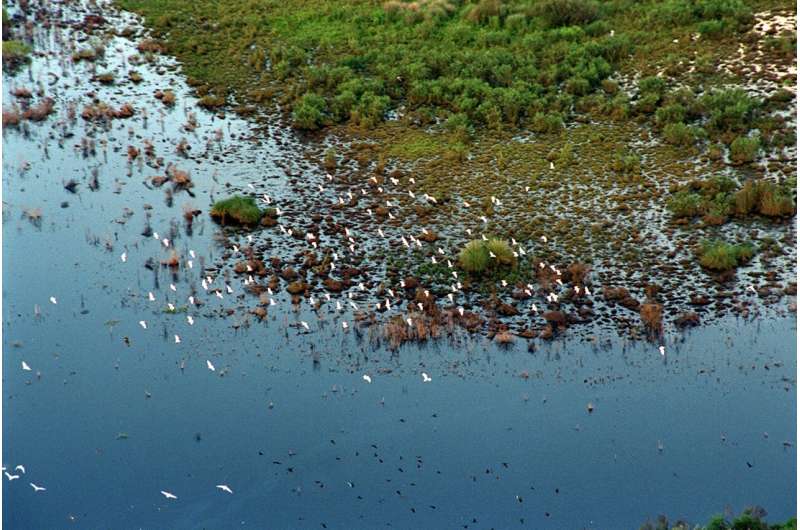


El Niño has just arrived and could be the most powerful since 1950. The Antarctic is losing ice the size of France in the middle of winter. And the current system that regulates Europe's climate is no longer being monitored.
In this edition: El Niño confirms its arrival and threatens historic records. The Bellingshausen Sea is almost ice-free in June, with serious consequences for glaciers and penguins. The AMOC could collapse 10 times faster than expected, and cuts put monitoring at risk.
El Niño arrives and could be historic in 2026
The U.S. Weather Agency confirmed it this Thursday. El Niño has officially arrived. Scientists expect the phenomenon to intensify throughout 2026. It could become one of the most powerful since 1950.
Droughts, floods, and record temperatures
El Niño doesn't just affect the tropics. Its effects extend across the entire planet. It brings droughts to some regions, floods to others, and soaring temperatures. Latin America and the southern US will be particularly exposed over the coming months.
📎 Read the full article on Phys.org
The Antarctic loses ice the size of France in winter
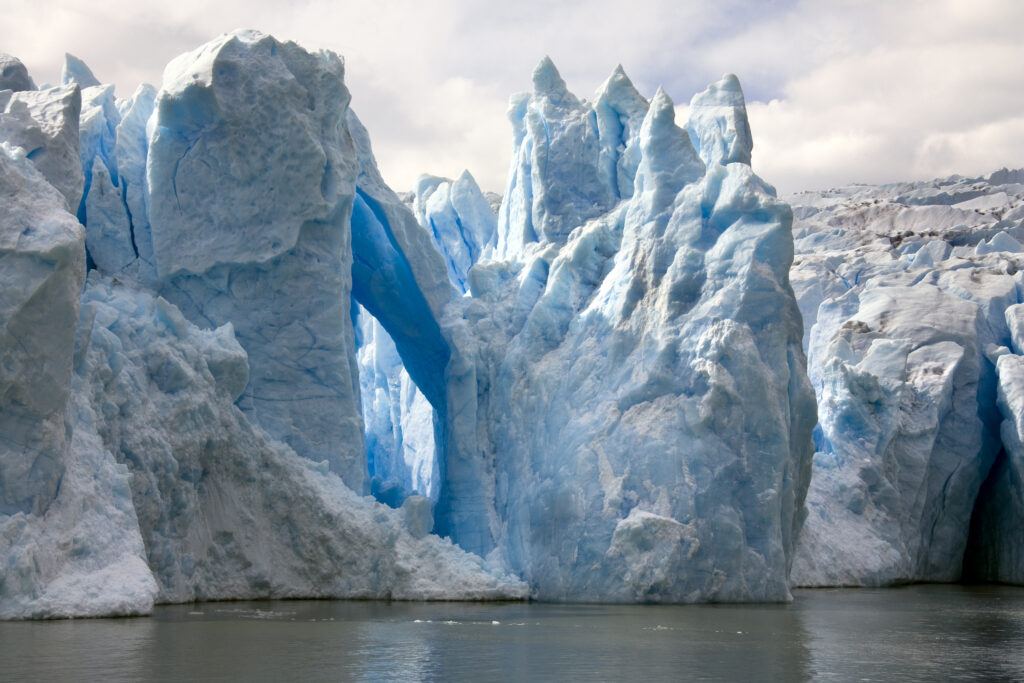
It's winter in Antarctica. The ice should be in full expansion. But the Bellingshausen Sea is almost completely ice-free. Satellites show a deficit of 650,000 km² compared to the 1991-2020 average. That area is equivalent to the size of France.
Glaciers and penguins in direct danger
Dr. Will Hobbs, from the University of Tasmania, calls it «depressing.» It's the third time in four years this has happened. «I don't think we'll see ice there again. It's done,» he says. Dr. Phil Reid, from the Australian Bureau of Meteorology, warns that the Thwaites and Pine Island glaciers are losing their natural protection. Without sea ice, their floating shelves fragment faster. This speeds up sea level rise.
Emperor penguins are also suffering the consequences. Dr. Peter Fretwell of the British Antarctic Survey explains that the ice forms too late and breaks up too early. This reduces reproductive success. The species was already listed as «endangered» by the UN earlier this year.
📎 Read the full article in The Guardian
The AMOC without monitoring: Europe is not prepared
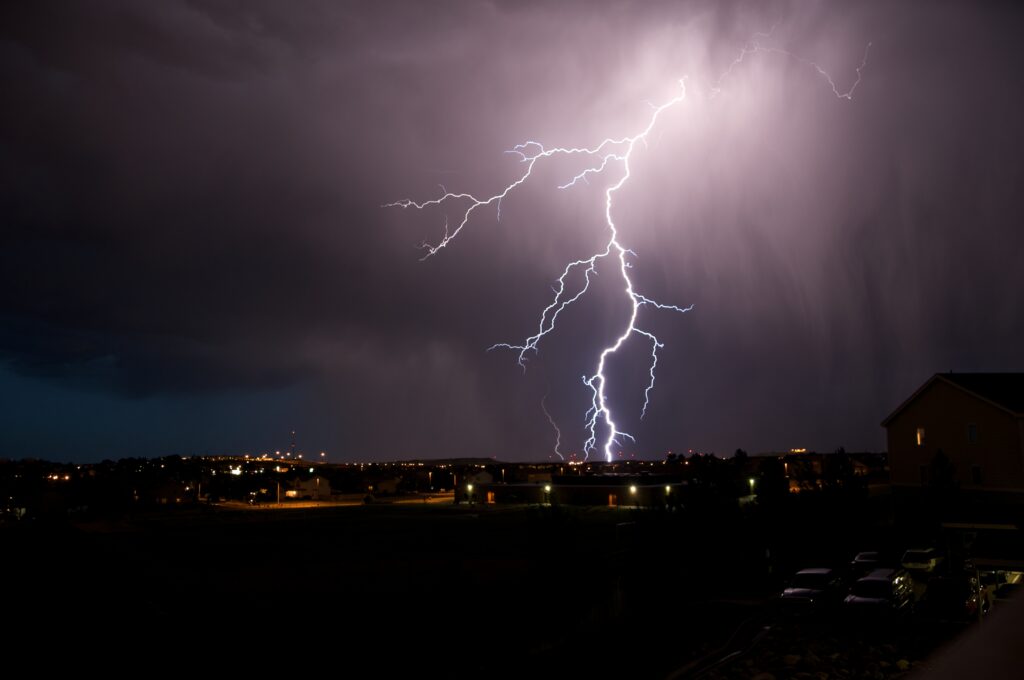
The AMOC is the Atlantic's great climate regulator. It moves heat from the south to the north of the ocean. Europe's agriculture, infrastructure, and food security depend on it. Penny Holliday, Femke de Jong, and Sjoerd Groeskamp warn in The Guardian: if the AMOC collapses, Europe could experience climate changes up to 10 times faster than today.
Cuts that blind science
Systematic monitoring of the AMOC has been underway for just two decades. And now it is at risk. The Trump administration has proposed cuts to NASA, NOAA, and the NSF. Those three agencies account for about 50% of the total budget for AMOC monitoring. Last week, the U.S. announced cuts to the Ocean Observing Initiative, one of the key programs.
The European initiative OceanEye has allocated 50 million euros to help fill the gap. But the authors of the article are clear: it's not enough. Without continuous data, climate models lose accuracy. And policymakers are left without tools to anticipate what's coming.
📎 Read the full article in The Guardian
What's coming next week?
The AMOC collapse Atlantic circulation will remain at the center of scientific debate. The evolution of El Niño will set the global climate pulse in the coming months. We will track the Antarctic ice deficit when the seasonal peak arrives in September. Don't miss the next editions on Canal Meteo TV.
For more official weather information, consult the National Weather Service (NWS) hello National Oceanic and Atmospheric Administration.
Explore more articles at Meteo TV Channel.